The Myth of Electric Distance
Parallel Hearts
Two souls, one city—forever close, never together.
This is a love story told in flickers, misalignment, and the myth of almost meeting.
Story of the art
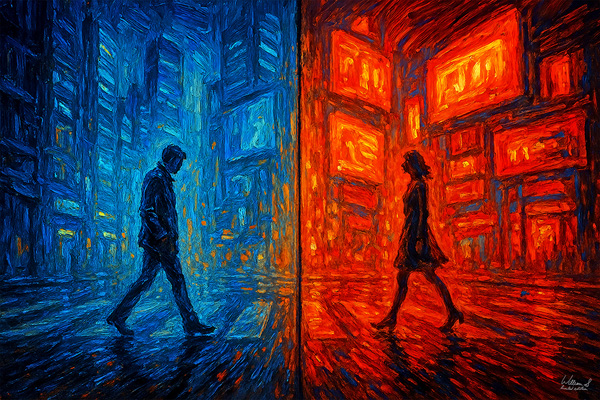
Parallel Hearts is a visual myth of missed moments across a city made of light and memory. The lovers cross the same streets, pause at the same signals, and live under the same sky, but remain one heartbeat out of phase.
What gives the series its force is precision rather than melodrama. It is about timing, alternate versions, mirrored distance, and the ache of recognition arriving just outside contact.
The city here is not neutral. It conspires with memory and misalignment, turning umbrellas, billboards, rooftops, and windows into instruments of almost-love.
Featured work
We Were Born One Street Apart, and Still Never Touched
Two mirrored city lives move through the same intersections forever one moment off. The work encapsulates the entire myth of the series: intimacy made visible through impossible timing.
Why collectors connect
Collectors are drawn to Parallel Hearts because it transforms longing into structure. The series gives near-miss emotion a visual architecture.
These works feel cinematic, but they also reward contemplation. The longer one looks, the more the city behaves like memory itself—fractured, luminous, and exacting.
Visual language
- Mirrored city halves, alternate timelines, rooftop distances, neon memory, and rain-soaked reflections
- Warm/cool palette splits used to embody two emotional worlds
- Billboards, windows, bridges, and puddles acting as emotional witnesses
- A recurring logic of misalignment rather than resolution
Artist perspective
“Fate isn’t cruel. It’s just precise.”
“They were always almost.”
“This is a love story told in flickers, not declarations.”
Series motifs and emotional anchors
The Billboards Only Remember Your Name
Ambient memory becomes public language in a city that cannot forget.
Every Time We Almost Loved Each Other
A triptych of repeated near-contact across fractured space.
Their Shadows Touched Even When They Didn’t
The inverse intimacy that gives the series its tenderness.
Gallery highlights
The highlights below let the city’s emotional geometry keep unfolding—where alternate timelines, shadows, windows, and neon do the remembering.
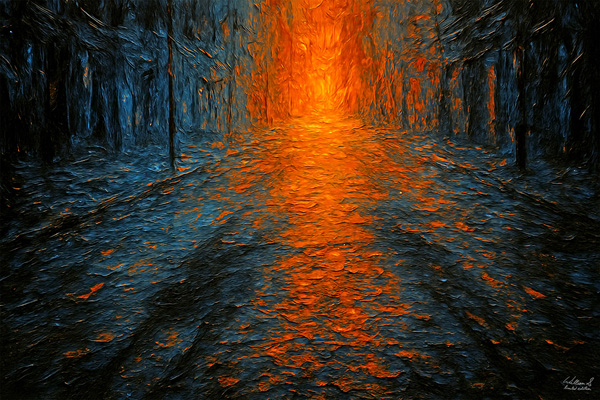
We Still Haunt the Same Sidewalks
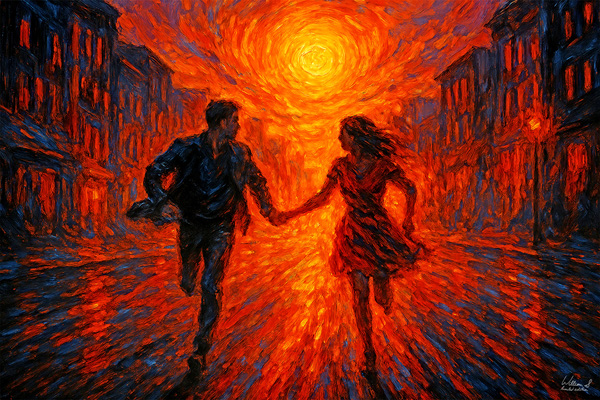
We Tried to Outrun the Sunset
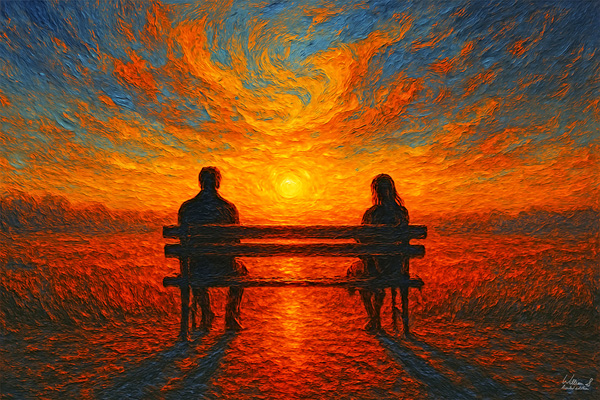
The Sun Knew First
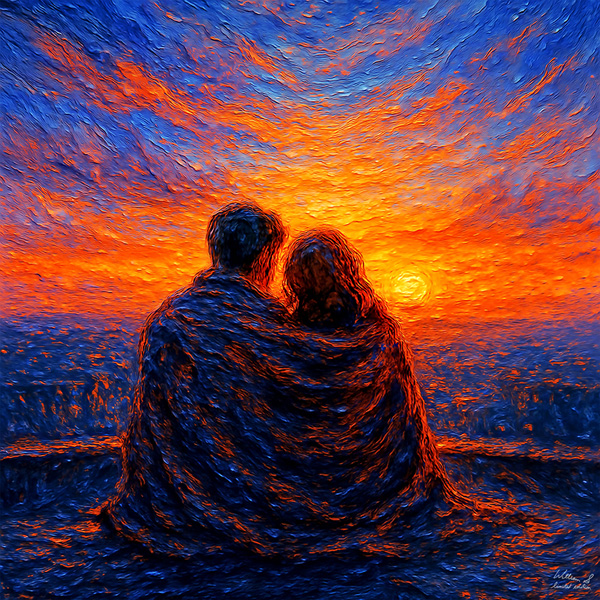
The First Light Found Us Still Holding On
Related collections
The City That Remembers You
Explore how this related body of work extends William’s language of light, memory, absence, and emotional structure.
Until the Light Changed
Explore how this related body of work extends William’s language of light, memory, absence, and emotional structure.
We Glowed Briefly, and Called It Forever
Explore how this related body of work extends William’s language of light, memory, absence, and emotional structure.
Their Story, Told in Paintings
Explore how this related body of work extends William’s language of light, memory, absence, and emotional structure.